Cold craft
Dressing for Standing Still, Which Is a Different Problem
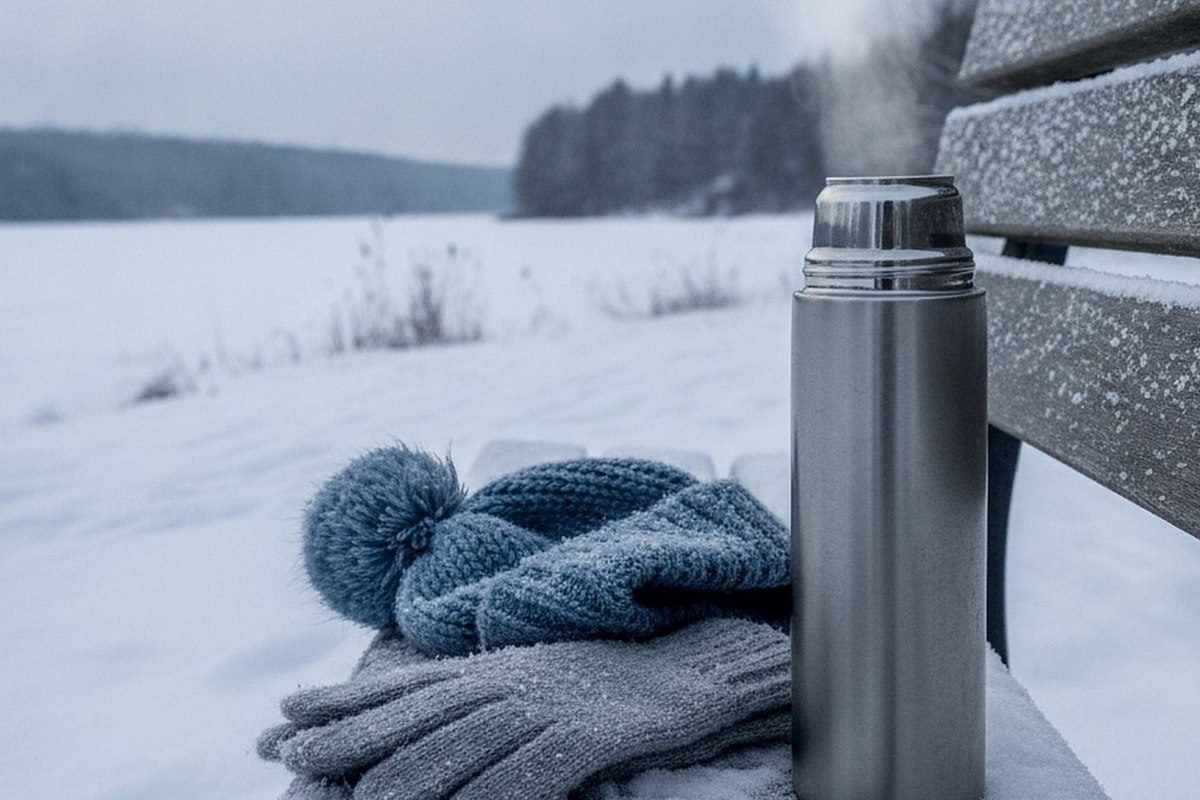
Every clothing system sold for winter assumes you are moving. Waiting three hours beside a frozen lake breaks all of them in the same order, and the order is predictable.
Section Two
Two pieces so far, both written after the same realisation: that most of the difficulty in cold season work has nothing to do with finding a subject and everything to do with being able to stay in front of one.
They exist because the same questions kept arriving at the desk, and because writing a method down is the fastest way to find out whether you actually believe it. Both have been through several winters before appearing here.
Cold craft
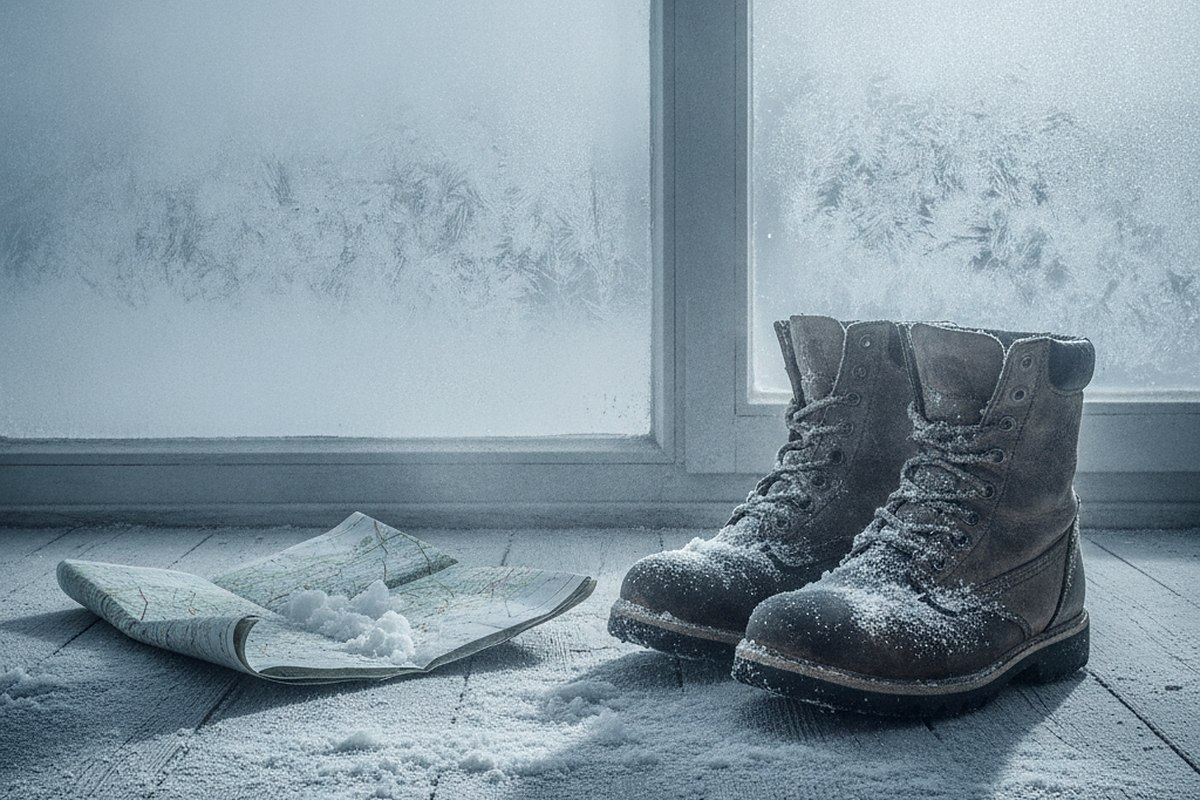
Every clothing system sold for winter assumes you are moving. Waiting three hours beside a frozen lake breaks all of them in the same order, and the order is predictable.
Cold craft
Cold does not usually break a camera. It drains it, fogs it, and makes it impossible to operate, and each of those has a plain fix that costs almost nothing.
These are one person's working habits, arrived at by doing the wrong thing first and noticing.
They are not instruction, they are not a qualification of any kind, and they are certainly not a safety authority. Cold injures people, ice over water kills people, and neither of those risks is addressed by a note about gloves. Where a sign, a closure, a lifeguard, a ranger, a highway crew or a current forecast says something different from what is written here, that source is right and this journal is not.
Nothing in this section is a recommendation of any product. No manufacturer has supplied anything, paid anything, or been told in advance that something of theirs would be mentioned, and where equipment appears it is described generically rather than by brand for exactly that reason.
If something in a note turns out to be wrong or has stopped being true, write in. Corrections appear at the top of the piece with the date attached, because these are the pages somebody might act on outdoors.